Septic and sewer help for Salt Lake City homeowners
Septic Tank Pumping and Repair Referrals in Salt Lake City
Slow drains or a damp yard? Communityfrequent Septic connects you with independent providers in the Salt Lake City area for pumping, sewer line work and septic repair. Plan by season and compare written quotes.
- Providers in our network serve the Salt Lake City area
- Plan work around the seasons
- Compare written quotes
- No obligation to ask
Tell us what happened
FAQ
Septic and Sewer Questions, Answered
How often should a septic tank be pumped?
Many households pump every three to five years, but it depends on tank size, number of people and water use. A provider can check sludge levels and suggest a schedule. Regular pumping usually costs less than repairing a failed system.
How much does septic tank pumping cost?
Typical U.S. prices often run from a few hundred dollars to somewhat more for large tanks or hard-to-reach lids. Costs vary by job and season. Ask for a written quote, and compare two before you decide.
What are the signs of drainfield trouble?
Watch for slow drains, gurgling pipes, sewage odors, and soggy or unusually green patches over the field. If you notice these, ask a provider about drainfield repair or an inspection before the damage spreads.
Does homeowners insurance cover a sewer backup?
Some policies may cover sudden damage, but many exclude backups unless you added coverage. Check your policy. Providers can often help document damage for a claim.
How does Communityfrequent Septic work, and does it do the work itself?
Communityfrequent Septic is a referral service. You send a request, and it connects you with an independent provider in our network. The provider inspects, gives a written quote and does the job. Communityfrequent Septic does not perform the work or set prices, and there is no obligation to accept a quote.
Need help in Salt Lake City?
Tell us what you see at home. Communityfrequent Septic will point you to a provider in our network, and you can compare quotes with no obligation.
No obligationHow we help
Why Choose Communityfrequent Septic?
- Plan around the seasons
Booking before spring melt or winter snow often gives you more choice and calmer scheduling. A provider can suggest the right timing for your system. - Compare quotes
Providers set their own prices. Ask for written quotes so you can weigh cost and scope side by side. - Protect your home
Pumping and repairs done right help prevent backups, protect the yard and basement, and keep clear records that matter when you sell the house. - Honest referrals
Communityfrequent Septic only connects you with independent providers. The provider you choose does the work and stands behind it.
How It Works
- Tell Us About Your Tank Share your tank size if you know it, any symptoms, and the timing you want through the request form.
- We Match You Locally Communityfrequent Septic passes your request to independent providers in our network.
- Compare Written Quotes Review each provider's price, what it includes, and when they have openings.
- The Provider Does the Work The provider you choose pumps the tank and can share notes on its condition for your records.
Help With
Our Services
Three kinds of work come up most often. Pick the one that sounds like your situation, read what it involves, then request an estimate from a provider in our network. Not sure which fits? A provider can help sort it out.

Septic Tank Pumping
A full septic tank gets costlier the longer you wait, so let's sort out timing and price.
More on this about Septic Tank Pumping
Sewer Line Repair Services
Backups, slow drains and cracked pipes are costly to ignore, so line up local providers and compare quotes early.
More on this about Sewer Line Repair Services
Septic System Repair
Septic trouble gets pricier when ignored, so learn the warning signs, the cost drivers and how to compare quotes.
More on this about Septic System RepairPlan Your Septic and Sewer Work Wisely
Slow drains. Gurgling pipes. A damp, smelly patch in the yard. These are signs your septic or sewer system needs attention, and the smart move is to act before a small job turns into a big bill.
Communityfrequent Septic is a referral service for homeowners in Salt Lake City and the Salt Lake City area. We connect you with independent providers in our network who handle septic tank pumping, sewer line repair and septic system repair. Communityfrequent Septic does not do the work. A local provider does.
Why start here? Because price is the part most people worry about, and price depends on timing. A routine pumping booked on a calm schedule usually costs far less than emergency septic cleaning after a backup. A cracked sewer line caught early is cheaper to fix than one that has flooded a basement. Planning around the seasons also helps you avoid crowded calendars and rushed decisions.
Tell us what you see, and a provider can explain your options. Ask for a written quote, compare it with another, and choose what fits your budget.
Request a callback to check provider availability in your area.
How It Works
What Communityfrequent Septic actually does
Communityfrequent Septic is a matching service. You tell us about your septic or sewer problem, and we point you to independent providers in our network who work in the Salt Lake City area. The provider inspects, quotes and does the job. Communityfrequent Septic does not send its own crews, and it does not set prices.
Three jobs, three budgets
Septic tank pumping is routine upkeep. Across the U.S. it often runs a few hundred dollars, and a bit more for large tanks or hard-to-reach lids. Sewer line repair can be a small spot fix or a longer replacement, so the range is wide, from about a thousand dollars into the thousands. Septic system repair, including drainfield repair, can run from a few hundred dollars for a baffle or pump to many thousands for a failed field. All of these vary by job, soil, access and season. Get a written quote before you agree to anything.
Why timing changes the price
Hard ground, deep snow and spring mud all make digging slower. Busy seasons fill provider calendars. If you can schedule work in a calm window, you often have more choice and more room to compare quotes. If the system is already backing up, emergency septic cleaning may be the right first step, with repairs planned after.
Doing it right protects your home
A failing system can stain soil, harm a nearby water well, and damage floors and walls. Buyers and inspectors look at septic and sewer records. Ask the provider to write down what they found and what they did. Keep those papers with your home records. Pumping receipts, a clear inspection note and a properly finished repair help your home hold its value when it is time to sell.
Serving the Salt Lake City area Homeowners
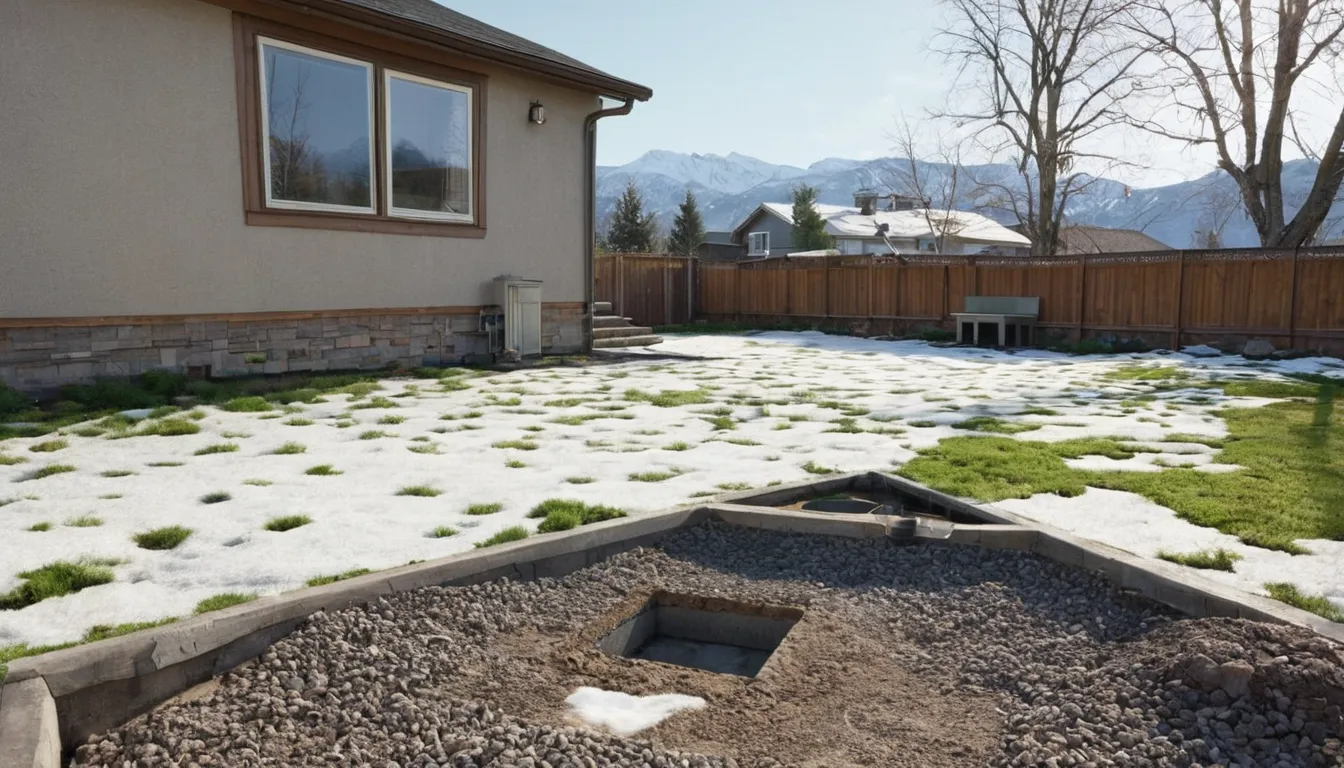
Communityfrequent Septic covers Salt Lake City and the rest of the Salt Lake City area. The local climate shapes the work, so it helps to use providers who know it. Dry air and strong sun at altitude bake the soil and can crack exposed lids and covers. Heavy snow loads press on tanks, risers and driveways. A fast spring melt can saturate a drainfield in days. Hail can dent vent caps and damage exposed pipe fittings.
Homes here are often newer frame builds with basements, and many have wood or stucco exteriors. That matters for sewer lines. A basement sits low, so a backup shows up there first. Newer lots can be tight, which limits where a tank or field can go and how a provider reaches it.
Some properties run on a private water well as well as a septic system. Some providers in our network also offer water well service, so mention your well when you ask for a quote.
Not sure your address is covered? Send a request, and Communityfrequent Septic will point you to providers who can reach you. There is no obligation to ask.
A Seasonal Checklist for Local Homeowners
Spring melt and soggy fields
Fast snowmelt can soak a drainfield just when the system needs to drain. Watch for slow drains, wet spots and odors in April and May. Early signs cost less to handle than a failed field.
Summer is a calm pumping window
Dry weather, firm ground and easy access make summer a good time for septic tank pumping. Many households book then, so plan a few weeks ahead and compare quotes.
Hail season checks
After a hailstorm, walk the yard. Look for cracked vent caps, dented covers and damaged pipe. Ask a provider to inspect if anything looks off.
Fall prep before the ground hardens
Fall is the time to pump a full tank, plan known repairs, and mark lids and risers so they are easy to find under snow. Hard ground makes later digging slower and often costlier.
Winter snow loads and frost
Deep snow packs down and frost can reach deeper into the soil. Keep vehicles and plows off the tank and field. Leave the snow and grass cover in place, since it acts like a blanket.
Basements and sewer lines
If your home has a basement, the drain on the bottom floor is your first warning. Backups, floor drain odors and gurgles deserve a prompt look. Providers may use a camera to see the line before they quote a repair.
Wells, septic and your yearly budget
If you have a water well, tell the provider where it sits compared with the tank and field. Set aside a small amount each year for pumping and checks. A steady plan costs less than a surprise repair.
Records that help at resale
Keep pumping receipts, inspection notes and repair invoices in one folder. Buyers like proof of care, and it helps protect your home's value.
Start Your Request
Ready to plan the work? Send a short note about what you see, and Communityfrequent Septic will match you with a provider in our network. You can also write to contact@communityfrequent.property. Compare at least two written quotes before you choose. Providers set their own prices.
Request a callback to check provider availability.